Smart wearables are evolving rapidly, and one of the most talked-about innovations in recent years is Meta Smart Glass. Unlike traditional gadgets that require screens or handheld interaction, these AI glasses introduce a new way to experience technology, directly through eyewear. These advanced AI glasses are designed to merge the digital world with everyday life in a seamless manner.
Globally, consumers are moving toward devices that enhance productivity, creativity, and communication without being intrusive. The advanced smart glass from Meta fits perfectly into this trend. It allows users to capture moments, access AI-powered assistance, listen to audio, and stay connected, all while maintaining natural eye contact and awareness of their surroundings.
What makes smart glass particularly appealing worldwide is its balance between technology and style. Instead of looking like bulky tech gear, it resembles premium eyewear, making it socially acceptable in both professional and casual settings. This combination of innovation, comfort, and usability has positioned it as one of the best AI glass solutions currently available.
In this blog, we will explore what Meta Smart Glass is, its types, how it works in real-world scenarios, why it has gained global popularity, its pros and cons, and whether it truly lives up to the hype.
Let us begin this blog with…
What Is Meta Smart Glass?
The smart glass is a next-generation wearable device developed by Meta that integrates smart technology into a pair of eyeglasses. These AI glasses are equipped with built-in cameras, microphones, speakers, and artificial intelligence features, enabling users to interact with digital content without using their hands.
Unlike traditional augmented reality headsets that overlay graphics on your vision, AI smart glass focuses on practical, real-life utility. It does not distract users with constant visual overlays. Instead, it enhances everyday activities through audio, voice commands, and AI-powered assistance.
One of the defining features of Meta Smart Glass is its AI integration. Users can ask questions, control music, make calls, or capture photos simply by speaking. This voice-first approach makes it accessible and easy to use for people who may not be tech-savvy.
Another reason is its focus on privacy-conscious design. Features such as LED indicators during recording help notify others, addressing common concerns associated with AI glasses.
Overall, the latest smart glass from Meta represents a shift toward ambient computing, technology that works quietly in the background while enhancing real-world interactions.
Next, let us see…
Types of Meta Smart Glass
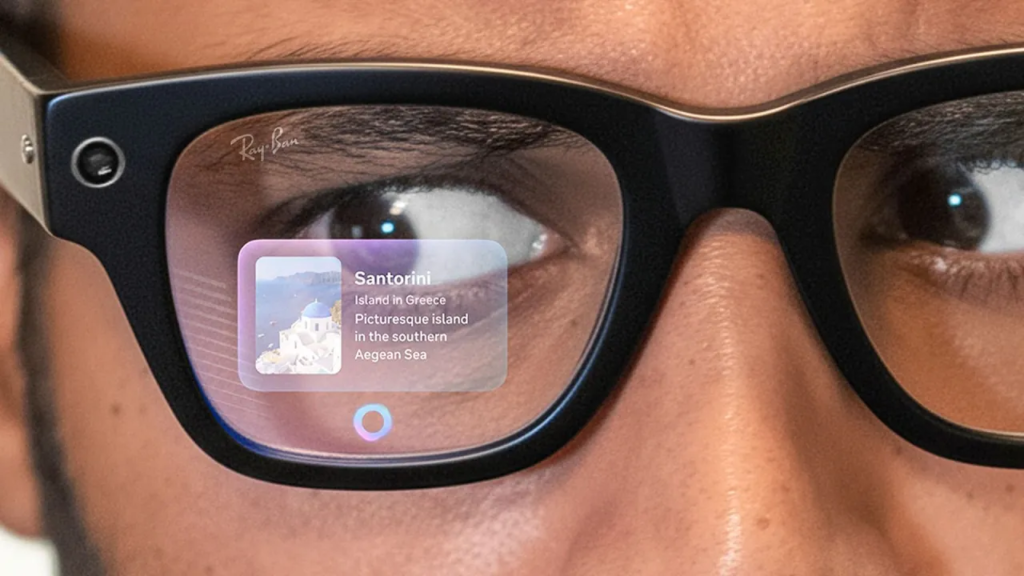
This glass is available in different types, each catering to specific user needs. While the core concept remains the same, the functionality and focus vary across models.
1. Camera-Oriented Meta Smart Glass
This type of smart glass is designed primarily for content creation. It features high-quality cameras that allow users to capture photos and videos from a first-person perspective. These AI glasses are especially popular among vloggers, travelers, journalists, and social media creators.
The ability to record moments instantly without pulling out a smartphone makes this version one of the best smart glass types for storytelling and immersive content creation.
2. Audio-Focused Meta Smart Glass
Some smart glass models emphasize audio performance. With open-ear speakers and noise-optimized microphones, users can listen to music, attend calls, and receive notifications discreetly.
These AI glasses are ideal for professionals, commuters, and fitness enthusiasts who need hands-free audio without isolating themselves from their surroundings.
3. AI-Driven Meta Smart Glass
The most advanced type integrates artificial intelligence deeply into the user experience. These smart glass models offer real-time AI assistance, smart reminders, contextual information, and voice-based interactions.
This category is often regarded as Meta’s best smart glass type for users who want cutting-edge AI capabilities in everyday life.
Now, let us look at…
How Meta Smart Glass Works in the Real World?
The real-world functionality of smart glass is what truly sets it apart from conventional wearables. These AI glasses are designed to integrate smoothly into daily routines without disrupting natural behavior.
Meta Smart Glass connects wirelessly to a smartphone through a companion app. This connection enables syncing of calls, notifications, media, and AI features. Users interact with the glasses using voice commands, touch gestures on the frame, or physical buttons.
In practical scenarios, smart Glass proves extremely useful. While walking, cycling, or traveling, users can ask for directions, play music, or capture photos without stopping. For professionals, it enables quick call handling, reminders, and access to information during busy schedules.
Content creators benefit significantly from this smart glass, as it allows them to capture authentic, first-person footage. This immersive perspective is difficult to achieve with handheld devices, making these AI glasses a valuable creative tool.
In everyday life, the smart glass from Meta acts as a digital companion, quietly assisting users without demanding constant attention. This real-world practicality is a major reason why it is often labeled as the best smart glass experience currently available.
Why Is Meta Smart Glass Popular Globally?
The worldwide popularity of this smart glass can be attributed to multiple social, technological, and cultural factors.
1. Growing Demand for Hands-Free Technology
As people multitask more than ever, hands-free solutions are becoming essential. This smart glass allows users to stay connected without constantly checking their phones, making AI glasses highly appealing across different lifestyles.
2. Influence of Artificial Intelligence
AI is rapidly becoming part of everyday life. This smart glass offers a practical way to experience AI in real time, making it attractive to users curious about AI glasses but hesitant about complex devices.
3. Global Content Creation Boom
Social media and digital storytelling have exploded worldwide. The smart glass enables effortless content creation, making it a favorite among influencers and creators globally.
4. Stylish and Socially Acceptable Design
Unlike bulky wearables, smart glass looks like normal eyewear. This design choice has helped it gain acceptance across cultures, workplaces, and social environments.
5. Strong Meta Ecosystem
Meta’s global ecosystem of apps and services enhances the appeal of the AI glasses. Seamless integration with social platforms and AI services makes these AI glasses more functional and future-ready.
These are the key reasons why the latest AI-powered smart glass, like Ray-Ban Meta Wayfarer (Gen 1), has become so popular and well-loved by people around the world.
Next, let us have a look at…
Advantages and Disadvantages of Buying a Meta Smart Glass
Understanding the pros and cons of Meta Smart Glass is essential before making a purchase decision.
Advantages of Using a Smart Glass From Meta
- One of the biggest advantages is convenience. This smart glass allows hands-free interaction, which is particularly useful during travel, workouts, and work environments.
- The AI-powered voice assistant adds another layer of functionality, making these AI glasses highly practical.
- Another key benefit is design. This smart glass does not look like a gadget, which increases comfort and social acceptance.
- Regular software updates also ensure long-term value, strengthening its position as one of the best replaceable options for other wearables.
Disadvantages of Using a Smart Glass From Meta
- Despite its strengths, the AI-powered smart glass from Meta has limitations.
- Battery life may feel insufficient for heavy users, especially those frequently using cameras and AI features.
- Dependence on smartphone connectivity can also be a drawback.
- Privacy concerns remain a global issue.
- The presence of cameras in AI glasses raises ethical questions, even with built-in safety indicators.
- The premium pricing may not suit all budgets.
We hope this guide has helped you gain clear and useful insights about smart glass. By now, you might be curious and have a question popping up in your mind…
Is Meta Smart Glass Worth the Hype?
So, is Meta Smart Glass really worth all the attention it receives worldwide? The answer depends on how users intend to use it.
For tech enthusiasts, professionals, and content creators, the AI-powered smart glass from Meta delivers genuine value. Its AI-driven features, hands-free operation, and elegant design make it one of the best choices in the wearable tech landscape. The experience of using AI glasses to interact naturally with technology feels futuristic yet practical.
However, for users who primarily rely on smartphones and do not require hands-free features, the investment may seem unnecessary. The smart glass from Meta is best viewed as a complementary device rather than a replacement for existing gadgets.
Overall, smart glass is not just a trend; it represents the future direction of wearable technology. As Artificial Intelligence continues to evolve, AI glasses like Ray-Ban Meta Wayfarer (Gen 1) are likely to become more powerful, affordable, and widely adopted. For those ready to embrace the next phase of smart wearables, the advanced smart glass from Meta is absolutely worth the hype.